YEAR 13 – AQA A-Level Psychology

About Course


Learning Path Courses OverviewLearning Path Courses Overview

” alt=”Learning Path Courses Overview” />
Learning Path Courses Overview

Learning Path Courses OverviewLearning Path Courses Overview

Learning Path Courses Overview

Learning Path Courses Overview

Learning Path Courses Overview

Learning Path Courses Overview

Learning Path Courses Overview

Learning Path Psychology – Full FAQs

How are lessons delivered?

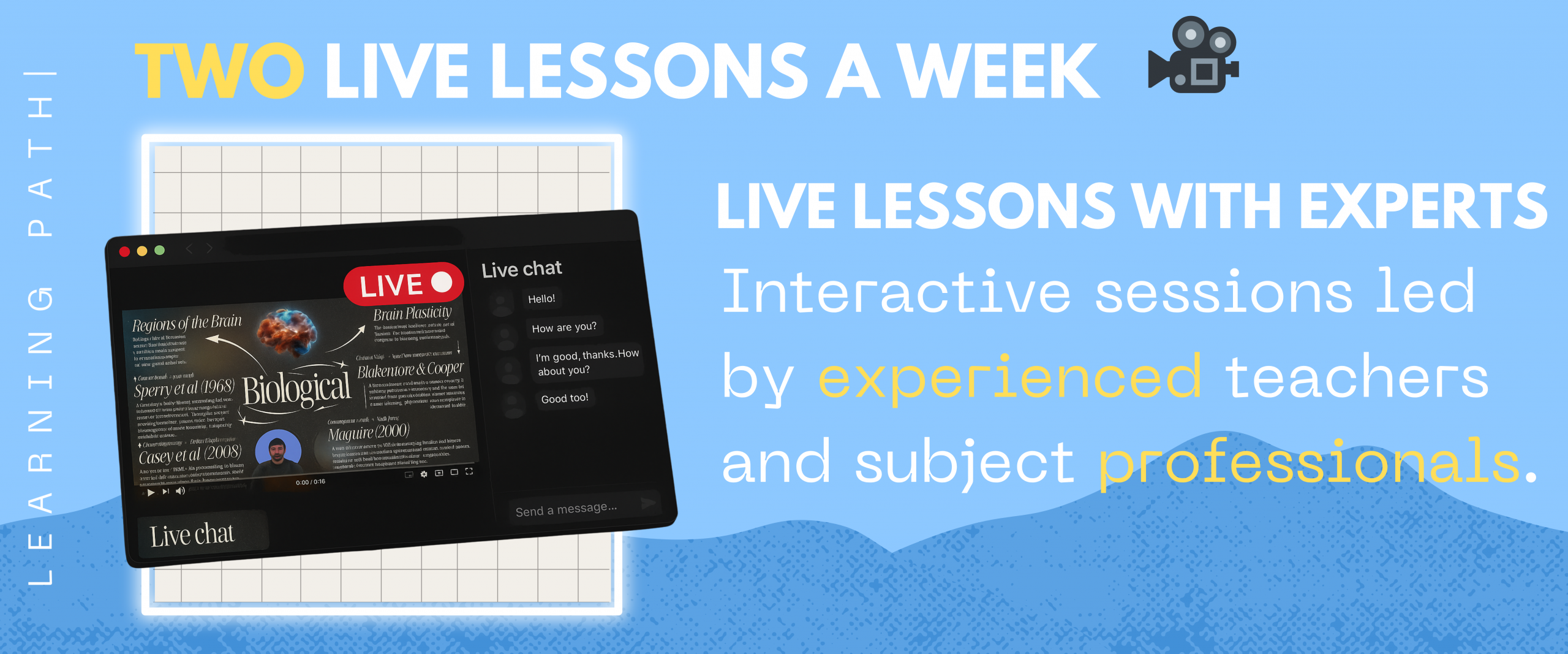
All sessions are live and interactive online. Students can join from anywhere, and if they can’t attend live, every lesson is recorded so they never miss out.

Can students ask questions?

Yes — during live lessons, students can use the comment box at any time, and one of our tutors is always on hand to answer. Outside of lessons, students can message us directly via WhatsApp for support.

Can parents contact tutors?

Absolutely. Parents can reach out to us anytime if they want updates or have concerns. We also provide monthly progress reports so you always know how your child is doing.

Why not just hire a one-to-one tutor?
  • Many one-to-one tutors are students themselves, not trained educators.
  • Sessions often lack structure and miss key exam content.
  • No neuroscience-backed methods or consistent teaching style.
  • Lessons depend on what the student asks, not the full syllabus.
  • No access to a resource bank, walkthroughs, replays, or peer community.

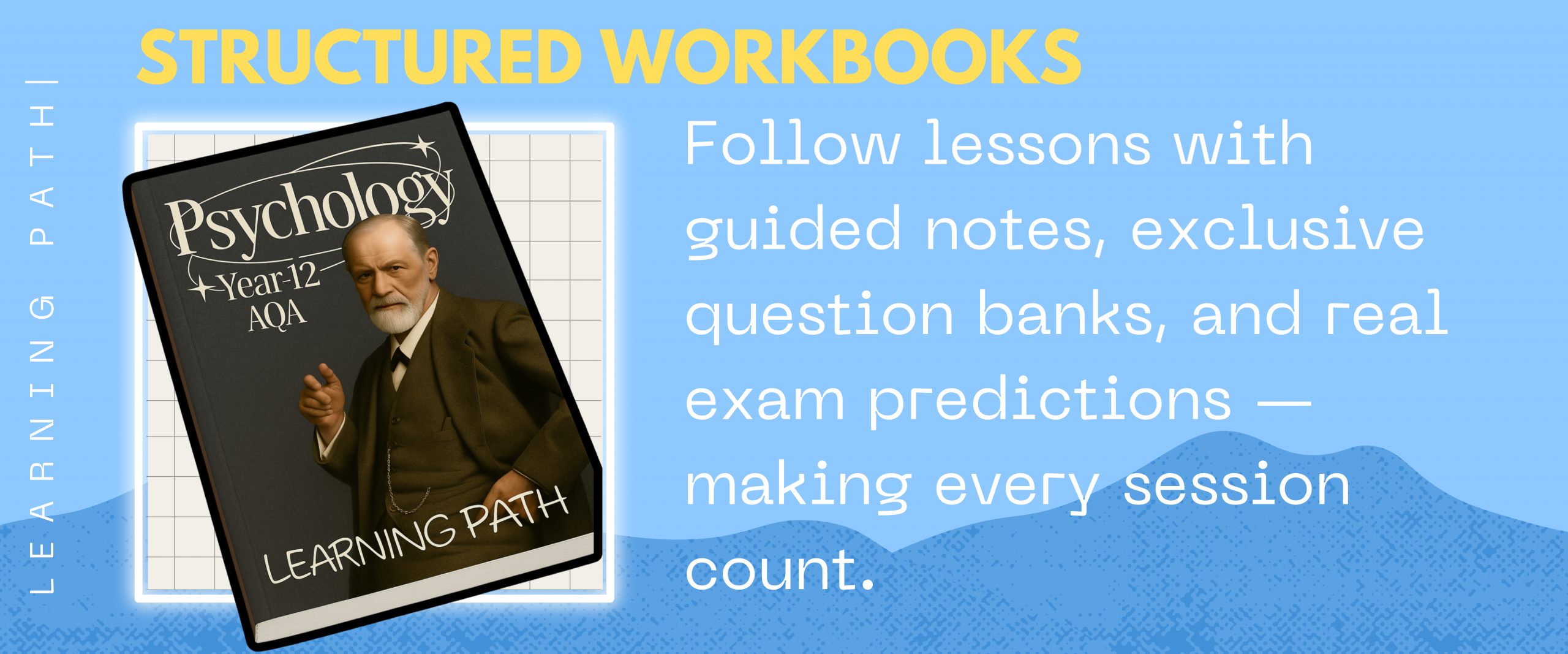
At Learning Path, every lesson is handcrafted to match the AQA and OCR syllabuses exactly — with live sessions, predicted exam questions, model answers, and resources that build real exam confidence.

What exactly is included in the course?
  • Two live A-Level Psychology group sessions per week
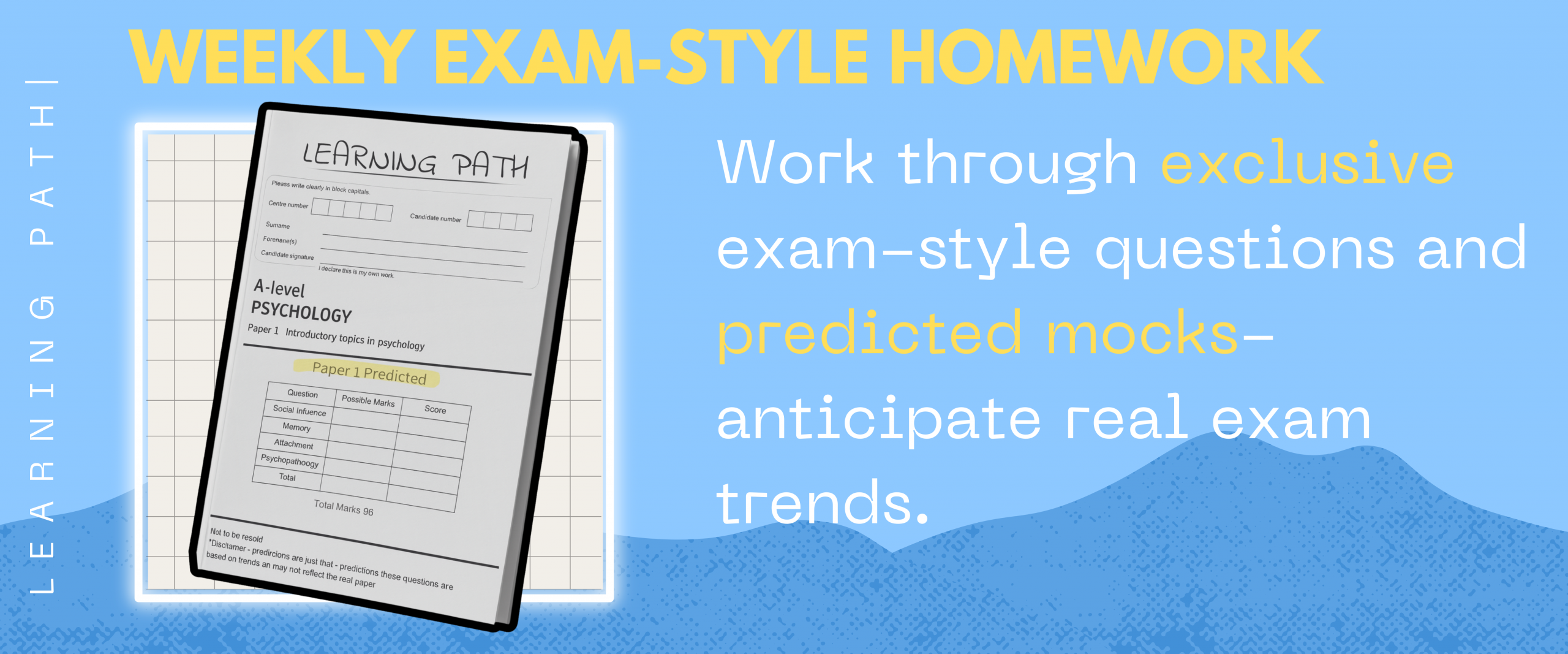
  • Topic-by-topic predicted exam questions with model answers
  • Student portal with replays, notes, quizzes, and exam resources
  • Monthly parent progress reports with grades, attendance, and feedback
When do the courses run?

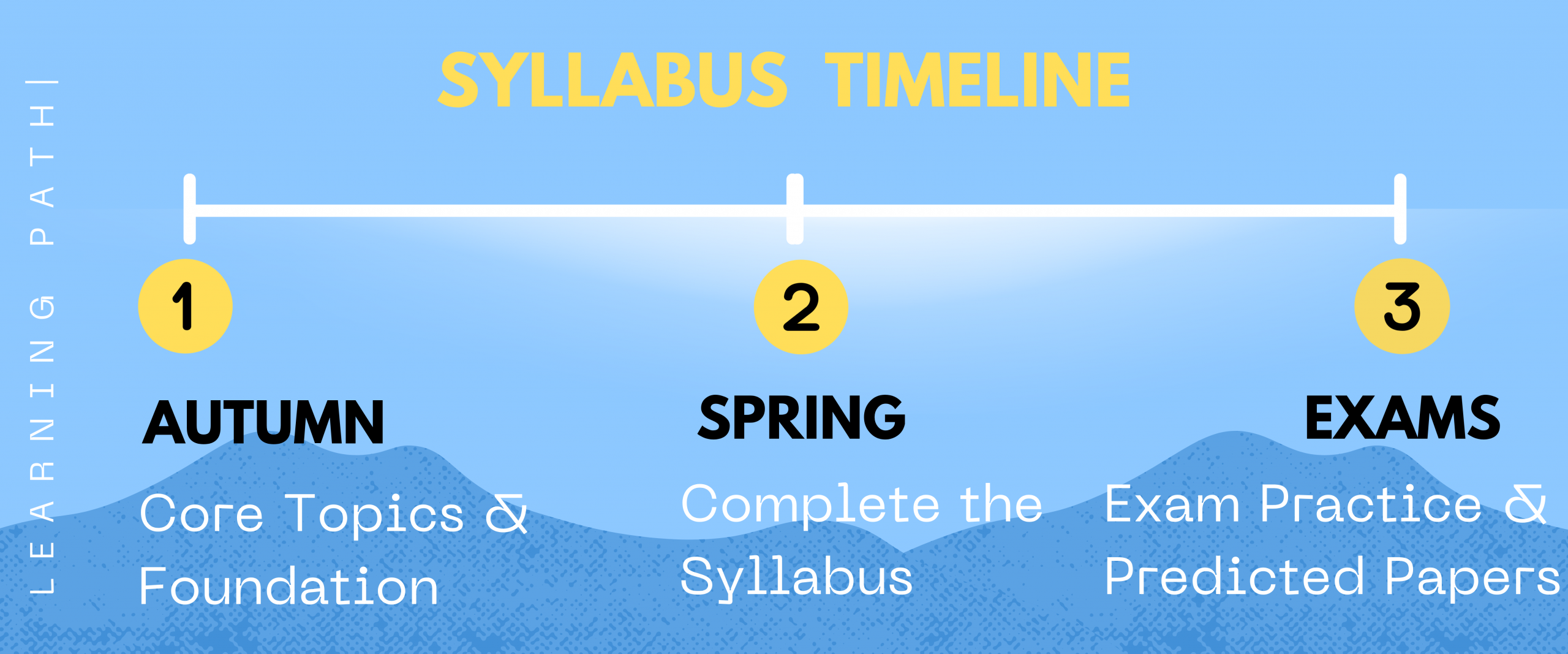
The full Psychology course runs from September through to the final exams in June. We also run shorter crash courses ahead of mock exams and final assessments.

How will I know if my child is making progress?

Parents receive regular updates with quiz/test scores and monthly progress reports, so you can see your child’s growth and confidence in real time.


Show More

Course Content

A Warm Welcome!
An Introduction to Learning Path Courses . A guide to getting an A*

Social Influence
🧍‍♂️ Social Influence — October A fast-paced recap on conformity, obedience, and resistance to social influence. Includes mock questions and evaluation practice to consolidate Paper 1 knowledge.

Issues and Debates
⚖️ Issues and Debates — October Explore the big ideas behind psychology — nature vs nurture, free will vs determinism, gender and cultural bias, and ethical implications. Essential for Paper 3 essays.

Biopsychology
🧩 Biopsychology — November Advance your biological understanding of the brain and behaviour, revisiting nervous and endocrine systems, localisation, and plasticity. Builds on Year 12 knowledge for Paper 2.

Approaches in Psychology
🧬 Approaches in Psychology — December–January Compare and evaluate key approaches — behavioural, cognitive, psychodynamic, biological, and humanistic — linking them to issues and debates. Strong Paper 2 and 3 crossover topic.

Research Methods
📊 Research Methods — December Deepen your understanding of experimental design, reliability, validity, and statistics. Includes advanced exam questions and mock assessments to master Paper 2.

Relationships
❤️ Relationships — January Learn how and why romantic relationships form, develop, and break down. Covers theories such as filter theory, self-disclosure, and virtual relationships.

Gender
⚧️ Gender — January Study biological, social, and cognitive explanations of gender development, alongside gender schema theory and androgyny. Practice short and extended essays.

Cognition and Development
🧠 Cognition and Development — January Explore cognitive development in children, including Piaget’s theory, Vygotsky’s social development theory, and Baillargeon’s findings.

Schizophrenia
🧍‍♀️ Schizophrenia — February Understand symptoms, classifications, and explanations of schizophrenia (biological, cognitive, and interactionist). Includes treatments and evaluation of research.

Eating Behavior
🍽️ Eating Behaviour — February Study the biological and psychological factors influencing eating behaviour, including neural and hormonal mechanisms, eating disorders, and cultural influences.

Stress
😖 Stress — February Examine biological and psychological responses to stress, its effects on health, and stress management strategies.

Aggression
💢 Aggression — March Analyse social and biological causes of aggression — including neural, hormonal, and evolutionary explanations — plus media influences.

Forensic Psychology
🕵️ Forensic Psychology — –March Investigate offender profiling, explanations of offending behaviour, and ways of dealing with offenders. A key applied topic for Paper 3.

Addiction
💊 Addiction — March Learn the biological, cognitive, and learning explanations of addiction, risk factors, and treatment strategies.

Want to receive push notifications for all major on-site activities?

clickbet88 slot